26
Sep
Questions to Ask Before Buying a Trading EA
Ever felt that sinking feeling when an expert advisor MT4 you just bought starts bleeding your account dry within the first week? You're not alone. The automated trading market is flooded with flashy sales pages promising overnight riches, but smart traders know the right questions to ask before handing over their hard-earned cash.
Whether you're hunting for a prop firm EA that can navigate strict drawdown rules or searching for the best free scalping EA MT4 for high-frequency strategies, this checklist will save you from expensive mistakes.
Understanding the EA's Core Strategy
What trading strategy does this EA actually use? This isn't about fancy marketing terms: you need the real mechanics. Does it trade breakouts, reversions, or momentum? A legitimate developer will explain their approach clearly. If they dodge this question with vague "proprietary algorithm" responses, walk away.
Which timeframes and currency pairs work best? Scalping EAs designed for M1 and M5 charts perform differently than swing trading systems built for H4 or Daily timeframes. A quality expert advisor MT4 will specify its optimal operating conditions rather than claiming it works "on everything."
How does it handle different market conditions? Markets aren't always trending or ranging: they switch between both states regularly. Ask whether the EA adapts to volatility changes or if it requires manual intervention during major news events. The honest answer helps you understand when to expect profits and when to expect drawdowns.

Risk Management That Actually Works
What's the maximum drawdown you should expect? Forget the marketing claims about "low risk." Every profitable system experiences drawdowns. Professional prop firm EA systems typically show 5-15% maximum historical drawdown, while scalping systems might push 10-20% due to their aggressive nature.
How does position sizing work? Fixed lot sizes, percentage risk per trade, or balance-based calculations: each approach affects your account differently. Prop firm challenges have specific rules about daily and maximum drawdowns, so your EA needs compatible risk management that won't violate these limits.
Does it use stop losses and take profits? Some EAs rely on "smart exits" or grid strategies without traditional stops. While this might boost win rates, it can create massive drawdowns that destroy accounts. Understand exactly how each trade gets closed before it goes live.

Performance Verification That Matters
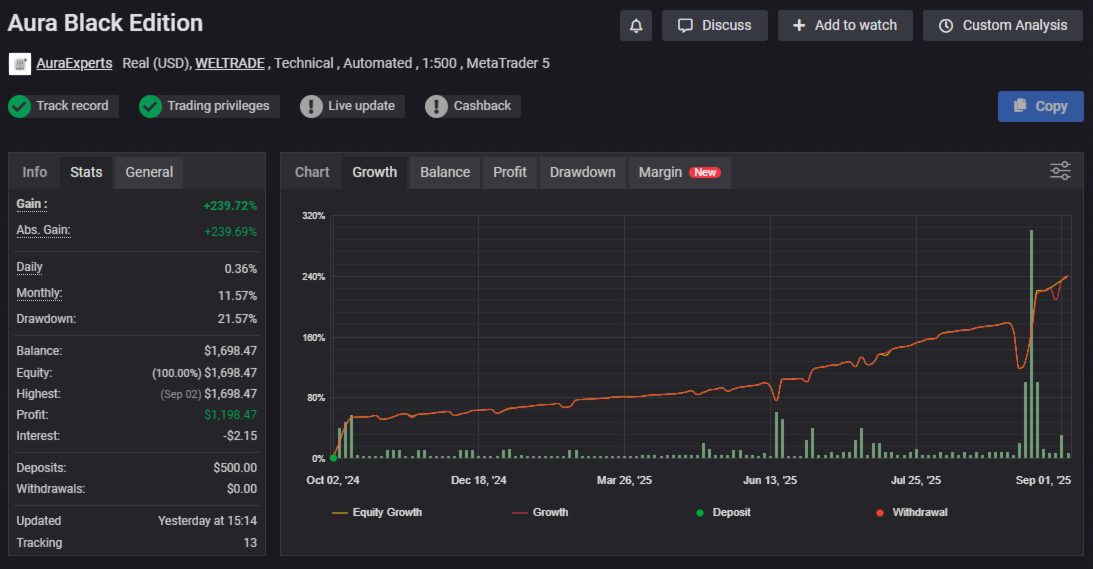
Can you see verified live account results? Demo results and backtests look impressive, but live trading tells the real story. Look for third-party verification through platforms like Myfxbook or FX Blue that show real money at risk with full trade histories.
How long has it been trading live? A prop firm EA needs at least 6-12 months of verified results to prove it can handle different market cycles. Scalping systems should show consistency across various spread and slippage conditions that occur in live markets.
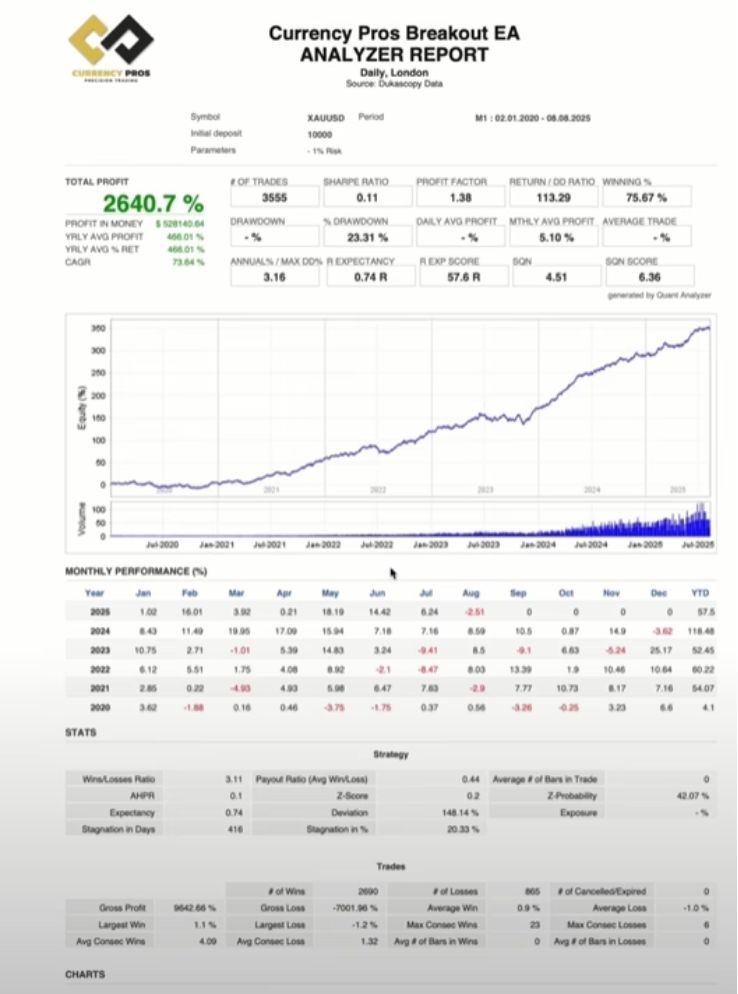
What's the profit factor and recovery factor? Profit factor shows total profits divided by total losses: anything below 1.2 is questionable for consistent profits. Recovery factor (net profit divided by maximum drawdown) reveals how efficiently the system recovers from losses. Strong EAs show recovery factors above 3.0.

Technical Requirements and Compatibility
Which MetaTrader version and brokers work best? Not all expert advisor MT4 systems work identically across brokers. Scalping EAs need ECN brokers with tight spreads and fast execution, while swing trading systems can tolerate standard accounts with wider spreads.
What VPS specifications are needed? High-frequency systems require low-latency connections and reliable uptime. If you're targeting prop firm challenges, any technical interruption could violate daily loss limits, so understand the infrastructure requirements upfront.
Are there any broker restrictions? Some EAs stop working with specific brokers due to execution differences or spread requirements. Others might have built-in broker detection that disables functionality. Know these limitations before you buy.
Hidden Costs and Ongoing Expenses
What are the total monthly costs? The EA purchase price is just the beginning. Factor in VPS hosting ($20-50/month), potential signal fees, broker commissions, and any subscription costs for updates or support.
How much capital do you actually need? Many EAs require larger accounts than advertised to handle drawdowns safely. A best free scalping EA MT4 might work on a $1,000 demo but need $5,000+ live to survive normal market volatility without violating prop firm rules.
What happens when the EA stops working? Markets evolve, and trading systems eventually degrade. Does the developer provide updates? Is there a refund policy? How long is support provided? These answers reveal whether you're buying a product or entering a partnership.
Developer Credibility and Support
Who created this EA and what's their track record? Anonymous developers or those with questionable histories should raise red flags. Look for verifiable experience in algorithm development or professional trading backgrounds.
How responsive is customer support? Test their support before buying by asking technical questions. Quality developers provide detailed documentation, installation guides, and prompt responses to inquiries. Poor support usually indicates poor software quality.
Are there regular updates and improvements? Markets change, and successful EAs evolve with them. Developers who provide regular updates show commitment to their products' long-term performance rather than quick cash grabs.
Prop Firm Specific Considerations
Does it comply with prop firm rules? Many prop firm EA systems violate challenge rules through high-frequency trading, news trading restrictions, or maximum daily loss limits. Verify the EA's trading style matches your prop firm's allowed strategies.
How does it handle news events? Prop firms often restrict trading during high-impact news. Quality EAs include news filters or automatic trading suspension during volatile periods to prevent rule violations.
What's the average trade duration? Some prop firms classify trades held for less than certain time periods as scalping, which might be prohibited. Understand whether your EA fits within allowed holding timeframes.
Red Flags to Avoid Completely
Walk away immediately if developers refuse to provide backtesting reports, claim "100% win rates," use fake testimonials, or create artificial urgency with limited-time offers. Legitimate EAs stand on their performance merits, not marketing manipulation.
Also avoid systems that require you to change broker settings, disable trade history, or provide account passwords. These practices often hide poor performance or worse: potential account theft.
Making the Final Decision
The best expert advisor MT4 for your needs balances performance expectations with risk tolerance. Prop firm challenges require conservative, rule-compliant systems, while personal accounts might allow more aggressive scalping approaches.
Remember: no EA eliminates the need to understand trading fundamentals. The most successful automated traders combine quality software with solid market knowledge, proper risk management, and realistic expectations about what algorithmic trading can actually achieve.
Before you buy, take time to verify every claim, understand every feature, and calculate total costs. Your future trading success depends on asking the right questions now rather than learning expensive lessons later.