12
Feb
Industry Trends in Automated Trading for 2026
Finding reliable trading strategies in volatile Gold and Forex markets can feel overwhelming, especially when speed and precision are critical. As traders shift from manual methods to automated solutions, the rise of computational intelligence and advanced machine learning is reshaping how financial decisions are made. This guide explores key innovations in MT4 and MT5 platforms, highlighting the essential technologies, system types, risk controls, and regulatory considerations that define modern automated trading.
Table of Contents
- What Defines Automated Trading Technologies
- Key Types of Automated Trading Systems
- Emerging Technologies Transforming MT4 and MT5
- Regulatory Developments Affecting Algorithmic Trading
- Risk Management in Automated Trading Solutions
Key Takeaways
| Point | Details |
|---|---|
| Automated Trading Technologies Enhance Efficiency | These systems use algorithms and machine learning to analyze markets and execute trades with speed and precision, reducing emotional bias. |
| Diverse Types of Automated Trading Systems | There are various systems, including rule-based, machine learning, high-frequency, sentiment analysis-driven, and hybrid models, each suited for specific market dynamics. |
| Risk Management is Crucial | Implementing advanced risk management strategies, including position sizing and real-time monitoring, is essential to safeguard against market volatility. |
| Regulatory Compliance is Necessary | As regulatory scrutiny increases, adapting trading systems to meet new governance standards is critical to avoid potential legal issues. |
What Defines Automated Trading Technologies
Automated trading technologies represent sophisticated computational systems designed to execute financial transactions without direct human intervention. These advanced platforms leverage complex algorithms and machine learning techniques to analyze market conditions, predict potential opportunities, and make rapid trading decisions.
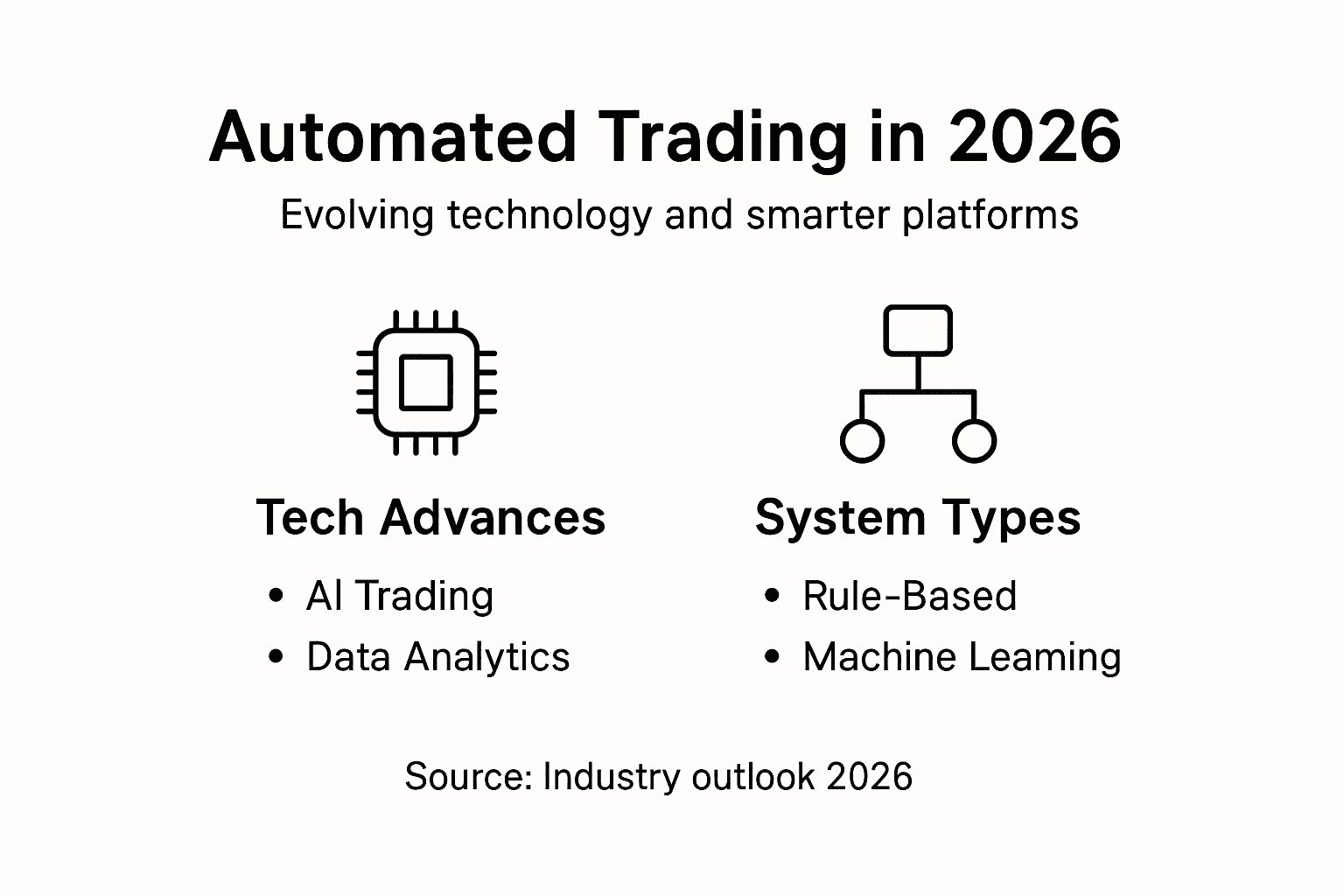
The core components of automated trading technologies include multiple sophisticated elements that work in seamless synchronization:
- Statistical models for market prediction
- Machine learning algorithms for pattern recognition
- Real-time data processing capabilities
- Risk management frameworks
- Adaptive decision-making protocols
Unlike traditional manual trading approaches, these technologies operate continuously across global markets, removing emotional biases and executing strategies with unprecedented speed and precision. The computational intelligence behind these systems allows them to process massive datasets, identify subtle market trends, and respond to changing conditions within microseconds.
Automated trading technologies transform financial markets by converting complex mathematical models into executable trading strategies that operate with minimal human supervision.
The development of these technologies requires intricate expertise combining financial knowledge, advanced programming skills, and sophisticated statistical understanding. Traders and financial institutions invest significant resources in creating robust systems that can navigate increasingly complex market dynamics.
Pro tip: Always thoroughly backtest and simulate automated trading systems using historical market data before deploying real capital to validate their performance and risk management capabilities.
Key Types of Automated Trading Systems
Automated trading systems have evolved into sophisticated technological frameworks that transform financial market interactions. Systematic classification of trading technologies reveals multiple distinct categories designed to address specific market challenges and trading objectives.
The primary types of automated trading systems can be categorized into several critical groups:
- Rule-based systems utilizing predefined algorithmic strategies
- Machine learning systems with adaptive decision-making capabilities
- High-frequency trading frameworks executing rapid market transactions
- Sentiment analysis-driven systems processing external market information
- Hybrid models combining multiple algorithmic approaches
Each type of automated trading system brings unique strengths to financial markets. Rule-based systems operate on explicit mathematical models and predetermined conditions, executing trades when specific market parameters are met. In contrast, machine learning systems can dynamically adapt their strategies by analyzing complex market patterns and historical data.
Here is a comparison of the main types of automated trading systems and their distinctive features:
| System Type | Adaptability | Main Use Case |
|---|---|---|
| Rule-based | Low, relies on preset rules | Stable market conditions |
| Machine learning | High, adapts to patterns | Volatile or complex markets |
| High-frequency trading | Minimal, focuses on speed | Exploiting micro price moves |
| Sentiment analysis-driven | Moderate, responds to news | Rapid event-driven trading |
| Hybrid models | Variable, mixes approaches | Multi-strategy portfolios |
Advanced automated trading technologies represent a quantum leap in financial market interactions, transforming raw data into executable trading strategies with unprecedented precision.
The sophisticated architecture of these systems demands intricate programming expertise, combining deep financial knowledge with advanced computational skills. Modern trading platforms increasingly rely on artificial intelligence-powered trading approaches that can process massive datasets and identify nuanced market opportunities within microseconds.
Pro tip: Always validate automated trading system performance through comprehensive backtesting and simulation before deploying actual capital, ensuring robust risk management and strategy effectiveness.
Emerging Technologies Transforming MT4 and MT5
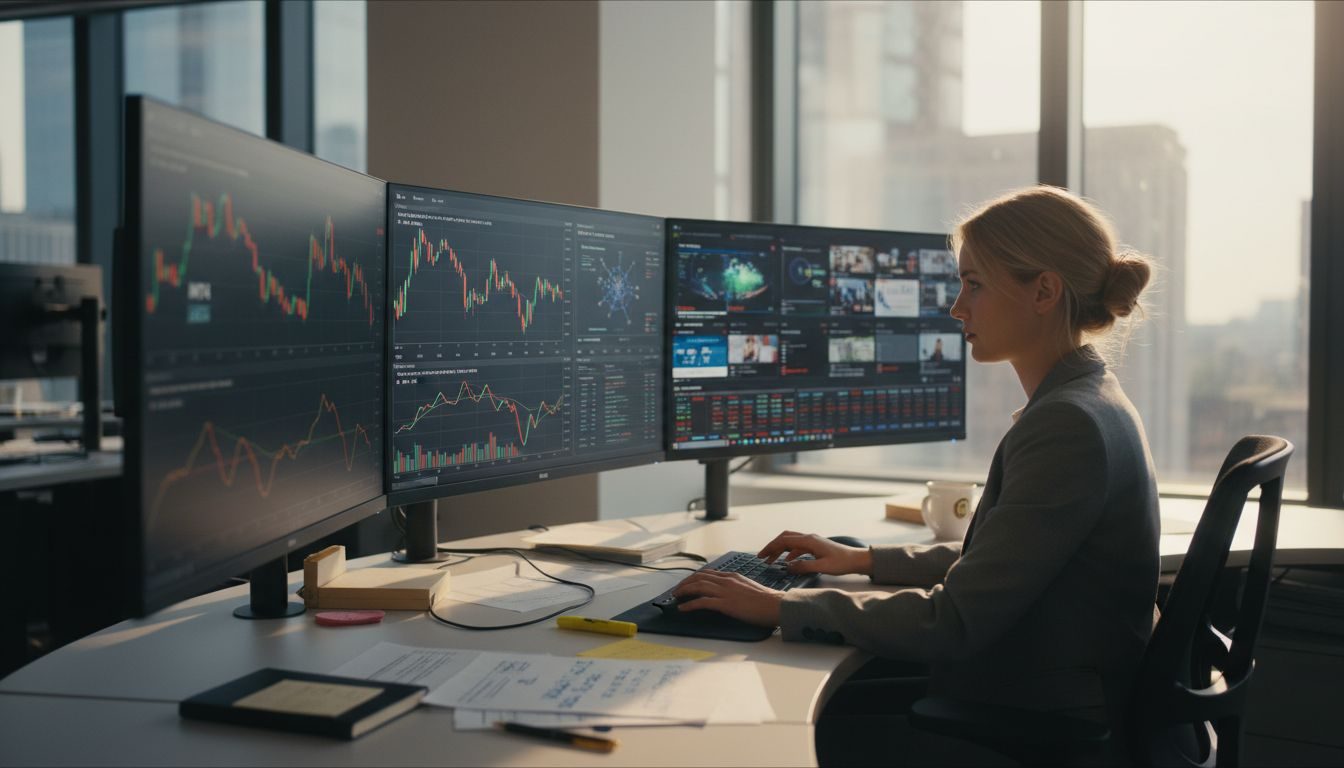
The trading platform landscape is experiencing a profound technological revolution, with MetaTrader platforms at the epicenter of this transformation. Trading platform technological shifts are dramatically reshaping how traders interact with financial markets, particularly through MT4 and MT5 environments.
Key emerging technologies revolutionizing these platforms include:
- Artificial Intelligence integration for predictive market analysis
- Natural Language Processing for sentiment-driven trading insights
- Advanced Machine Learning algorithms for dynamic strategy adaptation
- Real-time Economic Data processing capabilities
- Multi-asset Portfolio Management tools
Artificial intelligence represents the most significant technological leap, enabling traders to leverage sophisticated computational models that can analyze massive datasets and generate nuanced trading strategies. MT5 has positioned itself as the more technologically advanced platform, offering expanded features that go beyond MT4’s traditional limitations.
Emerging trading technologies are transforming platforms from simple execution tools into comprehensive intelligent trading ecosystems that blend human insight with computational precision.
The evolution of these platforms demonstrates a clear trend toward more intelligent, adaptive trading environments. AI-powered trading assistants are now providing traders with unprecedented insights, combining real-time market sentiment analysis with automated risk management protocols.
The table below summarizes differences between MT4 and MT5 in relation to emerging technologies:
| Platform | AI Integration | Data Handling | Asset Coverage |
|---|---|---|---|
| MT4 | Basic to moderate | Limited real-time support | Mainly Forex only |
| MT5 | Advanced and expanding | Robust, real-time capable | Forex, stocks, futures |
| Emerging Technologies | Extensive use of AI and NLP | Focus on large-scale data | Supports multi-asset classes |
Pro tip: Continuously update your trading platform and explore new technological integrations to stay competitive in rapidly evolving financial markets.
Regulatory Developments Affecting Algorithmic Trading
The landscape of algorithmic trading is experiencing unprecedented regulatory scrutiny, driven by technological advancements and potential market risks. Emerging regulatory frameworks are fundamentally reshaping how automated trading systems are developed, deployed, and monitored across global financial markets.
Key regulatory developments impacting algorithmic trading include:
- Comprehensive AI governance regulations
- Enhanced market transparency requirements
- Mandatory risk management protocols
- Accountability frameworks for trading algorithms
- Ethical AI development standards
Regulatory bodies are increasingly focusing on the potential systemic risks introduced by advanced algorithmic trading technologies. The European Union has been particularly proactive, introducing the groundbreaking EU AI Act that classifies sophisticated trading algorithms as high-risk technological systems requiring stringent oversight and compliance mechanisms.
Algorithmic trading regulations represent a critical balance between fostering financial innovation and protecting market integrity through comprehensive technological governance.
The implementation of comprehensive AI trading regulations demonstrates a global shift toward more structured oversight of automated trading technologies. These frameworks aim to mitigate potential market manipulation, ensure transparent decision-making processes, and establish clear accountability for algorithmic trading systems.
Pro tip: Continuously monitor regulatory updates and proactively adapt your trading systems to maintain compliance with evolving technological governance standards.
Risk Management in Automated Trading Solutions
Modern automated trading solutions require sophisticated risk management strategies that go beyond traditional financial controls. Advanced pre-trade risk mechanisms have become essential in protecting traders from potential market volatility and operational uncertainties.
Critical components of comprehensive risk management include:
- Position sizing algorithms to limit potential losses
- Dynamic stop-loss mechanisms
- Real-time market volatility monitoring
- Maximum drawdown protection
- Automated portfolio diversification
Machine learning technologies are revolutionizing risk assessment by enabling more nuanced and adaptive risk management approaches. These advanced systems can quickly analyze complex market conditions and automatically adjust trading parameters to minimize potential financial exposure.
Effective risk management in automated trading transforms uncertainty from a threat into a calculable and manageable variable within trading strategies.
Traders and financial institutions are increasingly adopting sophisticated risk evaluation metrics that combine profitability assessments with comprehensive risk analysis. These frameworks help ensure that trading algorithms maintain both financial performance and robust protective mechanisms.
Pro tip: Implement multiple layers of risk controls and continuously backtest your automated trading systems to identify and mitigate potential vulnerabilities.
Stay Ahead with Cutting-Edge Automated Trading Solutions for 2026
The future of automated trading demands advanced technologies that can keep pace with rapid market changes and regulatory challenges. This article highlights critical pain points such as mastering AI-driven strategies, managing risk dynamically, and adapting to regulatory shifts affecting algorithmic trading. Traders need reliable, tested systems that deliver precision, adaptability, and compliance without losing speed or profitability.
That is where FxShop24 steps in as your trusted partner. Our platform offers a wide selection of expert advisors and AI-powered trading robots designed specifically for MetaTrader 4 and MetaTrader 5 environments. By harnessing tested, prop firm-ready automated systems with lifetime updates, you can confidently capitalize on evolving market trends, enjoy robust risk controls, and maintain compliance with emerging regulations.
Explore our collection of premium EAs and cutting-edge trading tools tailored for Forex and gold markets right here.
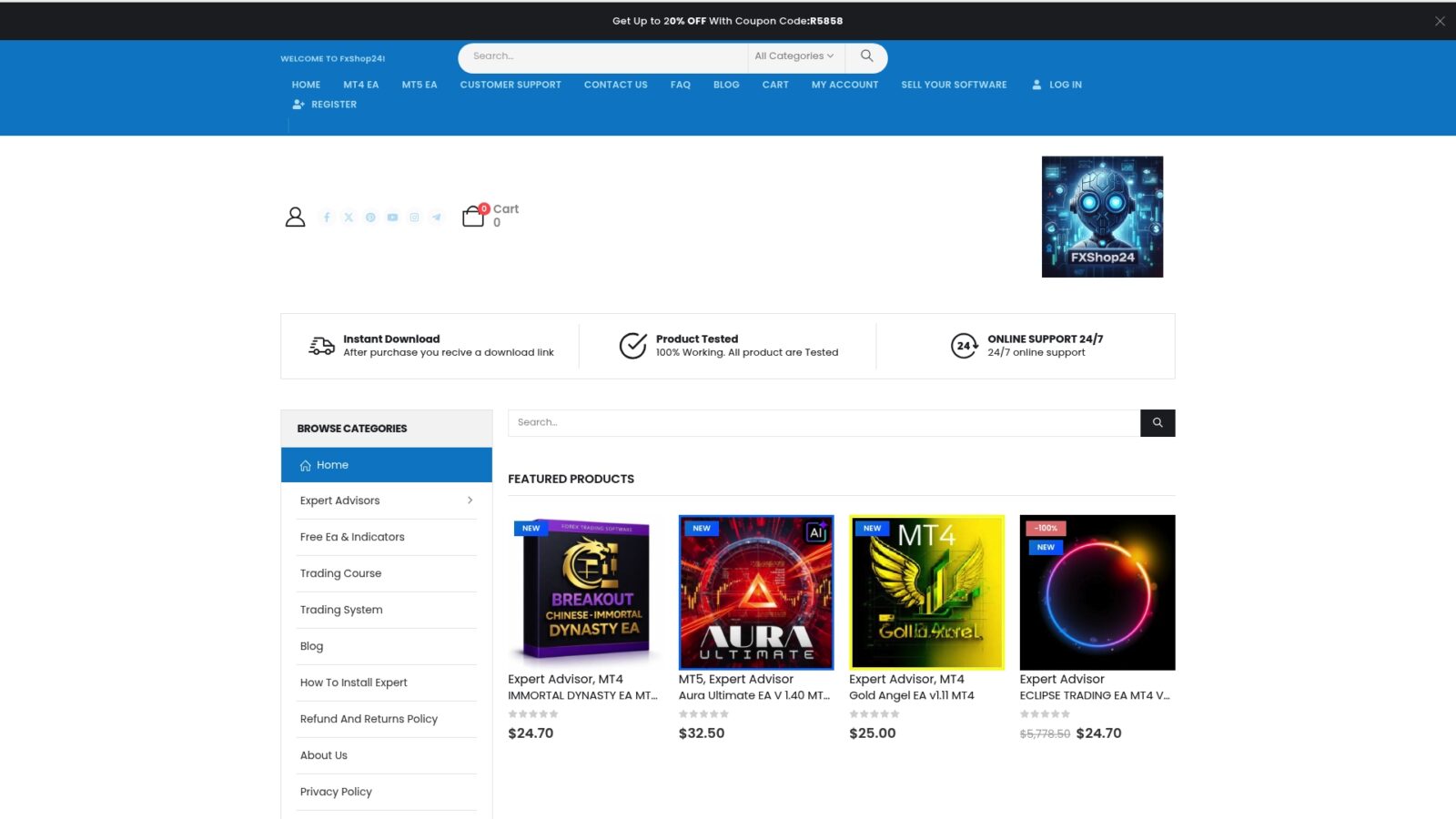
Transform your trading approach today with FxShop24. Visit our main site to access instant downloads, comprehensive support, and flexible payment options. Don’t wait to integrate the technological advances that will define successful trading in 2026 and beyond. Start enhancing your automated trading performance now.
Frequently Asked Questions
What are automated trading technologies?
Automated trading technologies are sophisticated computational systems designed to execute financial transactions without direct human intervention, utilizing complex algorithms and machine learning techniques to analyze market conditions and make rapid trading decisions.
What are the key components of automated trading systems?
The key components include statistical models for market prediction, machine learning algorithms for pattern recognition, real-time data processing capabilities, risk management frameworks, and adaptive decision-making protocols.
How do emerging technologies impact trading platforms like MT4 and MT5?
Emerging technologies enhance trading platforms by integrating artificial intelligence, natural language processing, advanced machine learning algorithms, and real-time economic data processing, transforming them into intelligent trading ecosystems.
How can risk management improve automated trading solutions?
Effective risk management in automated trading involves using position sizing algorithms, dynamic stop-loss mechanisms, real-time volatility monitoring, and automated portfolio diversification to protect traders from market volatility and operational uncertainties.