

16
Sep
Don't Just Chase Rate Cuts: How to Actually Read FOMC Moves Like a Pro
Ever watched traders scramble when the Fed announces a 25 basis point cut, only to see markets move in the complete opposite direction? You're not alone. Most retail traders make the same costly mistake: they fixate on the headline number and miss the real story unfolding right in front of them.
Here's the uncomfortable truth: by the time Jerome Powell announces that rate cut on Wednesday, sophisticated traders have already positioned themselves weeks ago. They're not reacting to news: they're capitalizing on expectations that were telegraphed long before the meeting even started.
Markets Move on Expectations, Not Headlines
The Federal Reserve doesn't operate in mystery. They've been broadcasting their intentions for weeks through speeches, economic data reactions, and carefully crafted language in previous meetings. When a 25bp cut finally happens, it's ancient history to institutional money.
Think about it this way: if everyone expects a rate cut, who's left to buy when it actually happens? The smart money has already moved, leaving retail traders holding the bag when reality meets expectations.
This principle extends beyond just rate decisions. The Fed communicates through multiple channels that each provide different insights into policymaker thinking. The FOMC minutes, released roughly three weeks after each meeting, offer an in-depth behind-the-scenes look into Fed officials' policy-making process and internal debate. These aren't official transcripts but carefully crafted summaries that reflect key content, tone, and disagreements among FOMC officials.

The Real Question That Drives Markets
Forget Wednesday's 25bp cut: everyone knows it's coming. Instead, ask yourself this critical question: "Is the Federal Reserve looking to cut rates further, or is this a one-and-done situation?"
This single question will determine market direction for the next several months across every asset class you trade.
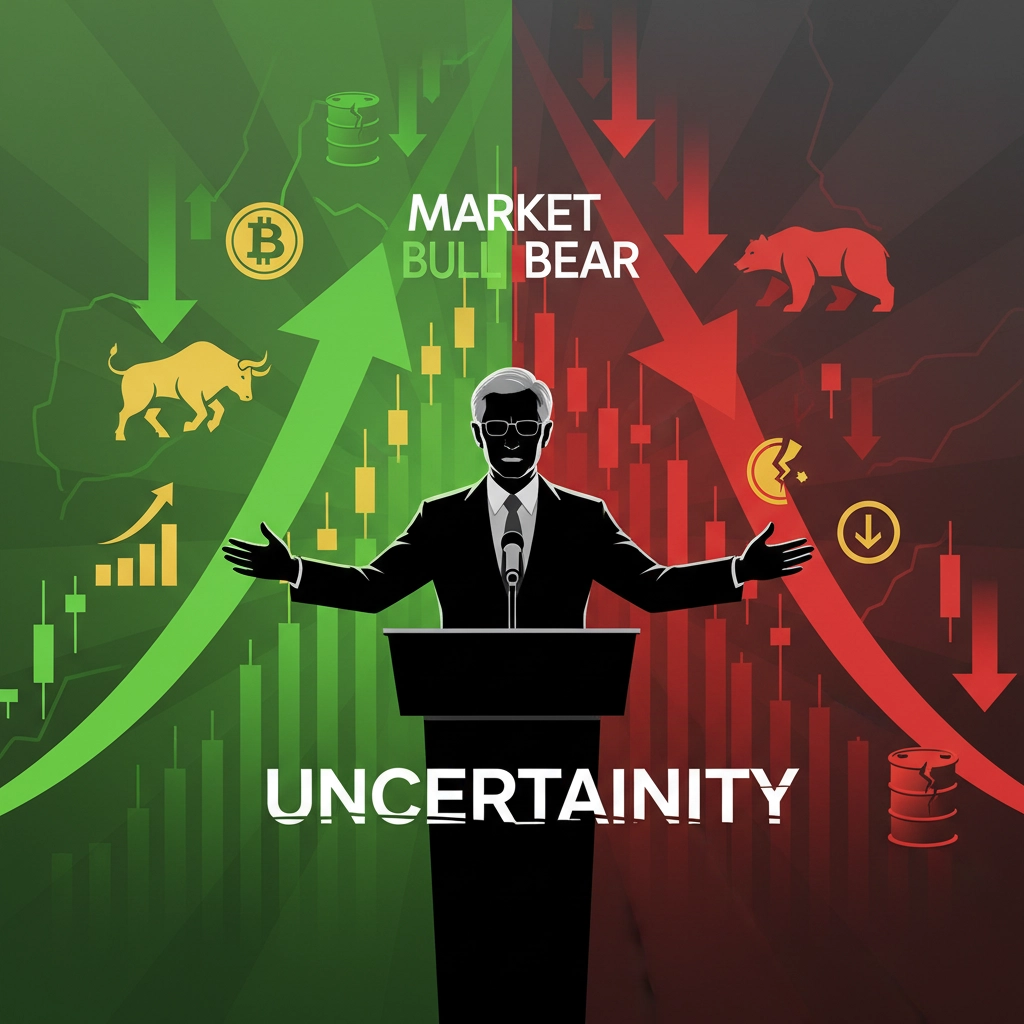
Scenario One: Dovish Continuation If Powell signals concern about the labor market and hints that more rate cuts are "probably appropriate," you're looking at a continuation of current trends. Dollar weakness persists, equities maintain their upward momentum, and risk assets like crypto keep rallying.
Scenario Two: Hawkish Pivot But what if Powell frames this as a "one and done" cut, suggesting future cuts are unlikely? That's a completely different story. Current trends reverse, the dollar strengthens, and risk assets face significant headwinds.
The key lies in Powell's press conference language. Watch for phrases like "data-dependent," "meeting-by-meeting approach," or references to maintaining "policy optionality." These signal uncertainty among Fed members and suggest incoming economic data will drive future policy more than predetermined plans.
Reading Between the Lines Like a Pro
Professional Fed watchers don't just listen to what Powell says: they analyze what he deliberately avoids committing to. Recent FOMC meetings have shown notable dissent, with two governors dissenting in favor of cuts for the first time in recent memory. This internal disagreement actually provides more information than unanimous decisions.
Pay attention to consensus versus conflict among FOMC members. When officials emphasize "almost all" members supporting a position, it reveals underlying tension about policy direction. Currently, some Fed officials fear cutting rates too soon as potential tariffs could push prices higher, potentially repeating the central bank's mistakes from the 1970s.
Language evolution between meetings matters enormously. Even slight changes from "moderating" to "easing" inflation can signal important policy shifts. These nuanced adjustments help economists recalibrate interest rate forecasts, which immediately impact bond yields, stock prices, and currency markets.
The Multi-Asset Impact Most Traders Miss
Here's where most retail traders get blindsided: FOMC decisions don't just affect bonds and the dollar. The Fed's forward guidance ripples through every major asset class:
Equities: Growth stocks particularly sensitive to rate expectations. A dovish Fed supports higher valuations through lower discount rates, while hawkish signals compress multiples quickly.
Commodities: Dollar strength from hawkish Fed policy typically pressures commodity prices, while dovish stances support precious metals and energy markets.
Cryptocurrency: Risk-on sentiment from continued easing supports crypto rallies, but hawkish pivots can trigger rapid deleverage events across digital assets.
Foreign Exchange: Dollar pairs react not just to rate differentials but to relative policy stance expectations between central banks.
Understanding these interconnections allows you to position across multiple markets rather than limiting yourself to single-asset plays.
Your Professional Framework for Wednesday
Instead of fixating on the 25bp cut everyone expects, focus on these critical elements during Powell's press conference:
Labor Market Assessment: How concerned is Powell about employment conditions? References to "solid" labor markets suggest confidence, while mentions of "softening" or "cooling" hint at more aggressive easing ahead.
Inflation Trajectory: Does Powell see current inflation levels as acceptable progress, or does he express concern about stalling disinflation? The Fed's comfort with current price pressures indicates future policy flexibility.
Economic Outlook Confidence: Watch for phrases about "elevated uncertainty" or "attentiveness to risks on both sides." These suggest the Fed wants maximum flexibility rather than committing to predetermined policy paths.
Data Dependency Emphasis: Strong emphasis on being "data-dependent" signals the Fed hasn't predetermined future moves, making economic releases more market-moving in coming weeks.
The current Fed stance emphasizes monitoring implications of incoming information for economic outlook while considering labor market conditions, inflation pressures, and financial developments. This broad framework keeps multiple policy paths open rather than committing to predetermined courses.

Beyond Wednesday: Building Your Edge
Professional traders understand that reading FOMC moves requires synthesizing multiple information sources over time, not reacting to single events. Track subtle language changes between meetings, understand how the Fed weighs competing economic risks, and focus on their reaction function: how they respond to different economic conditions.
The Fed's current environment shows officials balancing growth concerns against inflation risks, with policy remaining restrictive but adjustable if risks tilt toward employment concerns. Market pricing shows about 75% odds of a September cut, but Powell has avoided confirming this timeline, preferring flexibility while managing political pressure.
This demonstrates why successful Fed interpretation requires understanding not just what policymakers say, but what they deliberately avoid committing to. The ambiguity isn't accidental: it's strategic communication designed to maintain policy options.
Your edge comes from recognizing these patterns before they become obvious to retail traders. While others chase headlines, you'll position for the broader narrative the Fed is constructing about future economic policy.
The question isn't whether rates get cut Wednesday: it's whether that cut represents the beginning of an easing cycle or a single policy adjustment. Powell's press conference will telegraph which story unfolds over the coming months, and positioning correctly makes the difference between profit and frustration.
Remember: markets reward those who understand the story behind the numbers, not those who simply react to the numbers themselves. Master this distinction, and you'll trade FOMC meetings like the professionals who consistently profit from Fed policy shifts.