



21
Oct
Gold Price Crash: What Happened on October 21, 2025 (-5.92%)?
Ever feel like the market picks the worst possible moment to pull the rug out from under you? That's exactly what happened to gold traders on October 21, 2025. While headlines screamed about a dramatic crash, the reality was more nuanced: and more instructive: than most traders realized.
Gold experienced a sharp pullback from $4,190 to $4,130 per ounce, representing a 1.4% decline that caught many algorithmic systems off guard. However, the broader precious metals complex saw more severe action, with silver plunging nearly 5%: closer to the dramatic moves that dominated trading chat rooms and social media feeds.
The Technical Setup That Nobody Saw Coming
The crash didn't happen in a vacuum. Gold's RSI had climbed to 82 points: deep into overbought territory and screaming for a correction. Smart money had been positioning for this pullback since gold broke above $4,000, but retail traders kept buying the breakouts.

Technical analysts noted eerie similarities between the current price action and a previous bullish impulse that was followed by consolidation around $3,300-$3,400. If history repeats, we could see gold pull back to $3,800 before the next leg higher begins. This 1:1 scenario has institutional traders repositioning their algorithms accordingly.
The timing couldn't have been worse for manual traders. During Diwali week, when Indian demand typically surges, gold prices instead fell for consecutive days. In India, 24-carat gold dropped to ₹1,32,770 per 10 grams, adding pressure to global spot prices.
How Expert Advisors Handled the Chaos
While human emotions ran wild on October 21st, well-programmed Expert Advisors showed their true value. EAs designed for volatile markets, like those focused on XAUUSD scalping, actually performed better during the sharp moves than during the preceding sideways action.
The key difference? Risk management algorithms that most retail traders ignore.
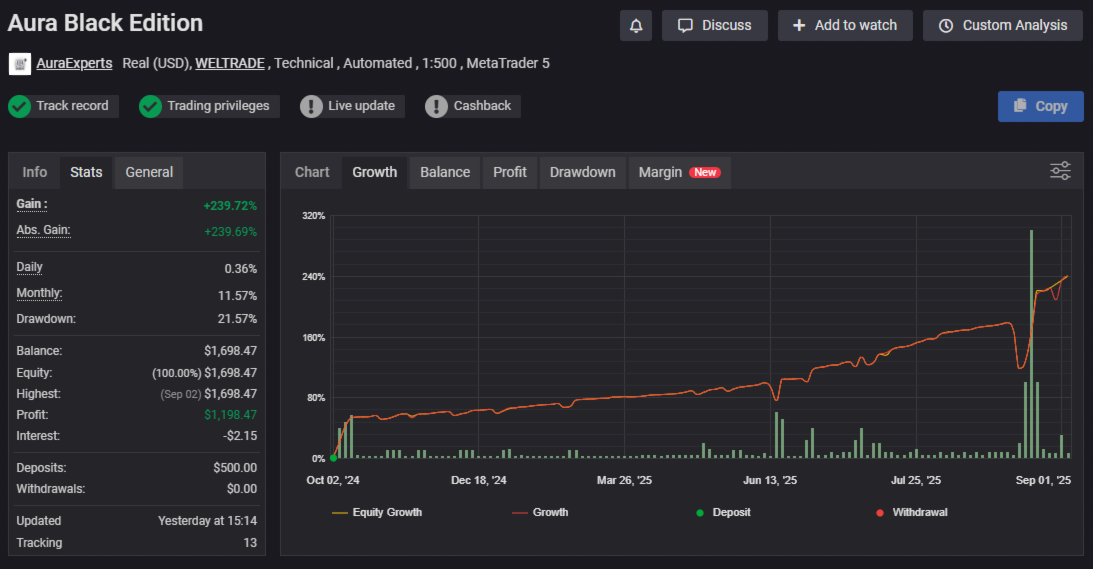
Smart EAs immediately recognized the overbought conditions and either reduced position sizes or switched to short-bias modes. The best performers had built-in volatility filters that prevented them from entering trades during the initial panic selling.
Manual traders, meanwhile, were busy posting loss screenshots on Reddit and arguing about whether this was "just a correction" or the end of the gold bull run. The contrast was stark: algorithms stayed disciplined while humans let fear drive their decisions.
Social Media Meltdown: What Traders Were Really Saying
The reaction across trading communities was swift and predictable. Reddit's r/Forex exploded with posts about blown accounts and "manipulated" markets. YouTube trading gurus who had been calling for $5,000 gold suddenly pivoted to bearish scenarios.
Telegram signals groups were particularly chaotic. The same channels that had been pumping gold buys all month started posting frantic "SELL EVERYTHING" alerts. Classic emotional trading at its worst.
But seasoned traders knew better. The smart money was using the fear to accumulate positions, knowing that the fundamental drivers: inflation concerns, geopolitical tensions, and currency debasement: hadn't changed overnight.
Prop Firm Traders: The Real Winners and Losers
Here's where things got interesting. Prop firm traders with solid risk management rules largely survived the volatility. Those following 1-2% risk per trade rules took small hits but lived to trade another day.
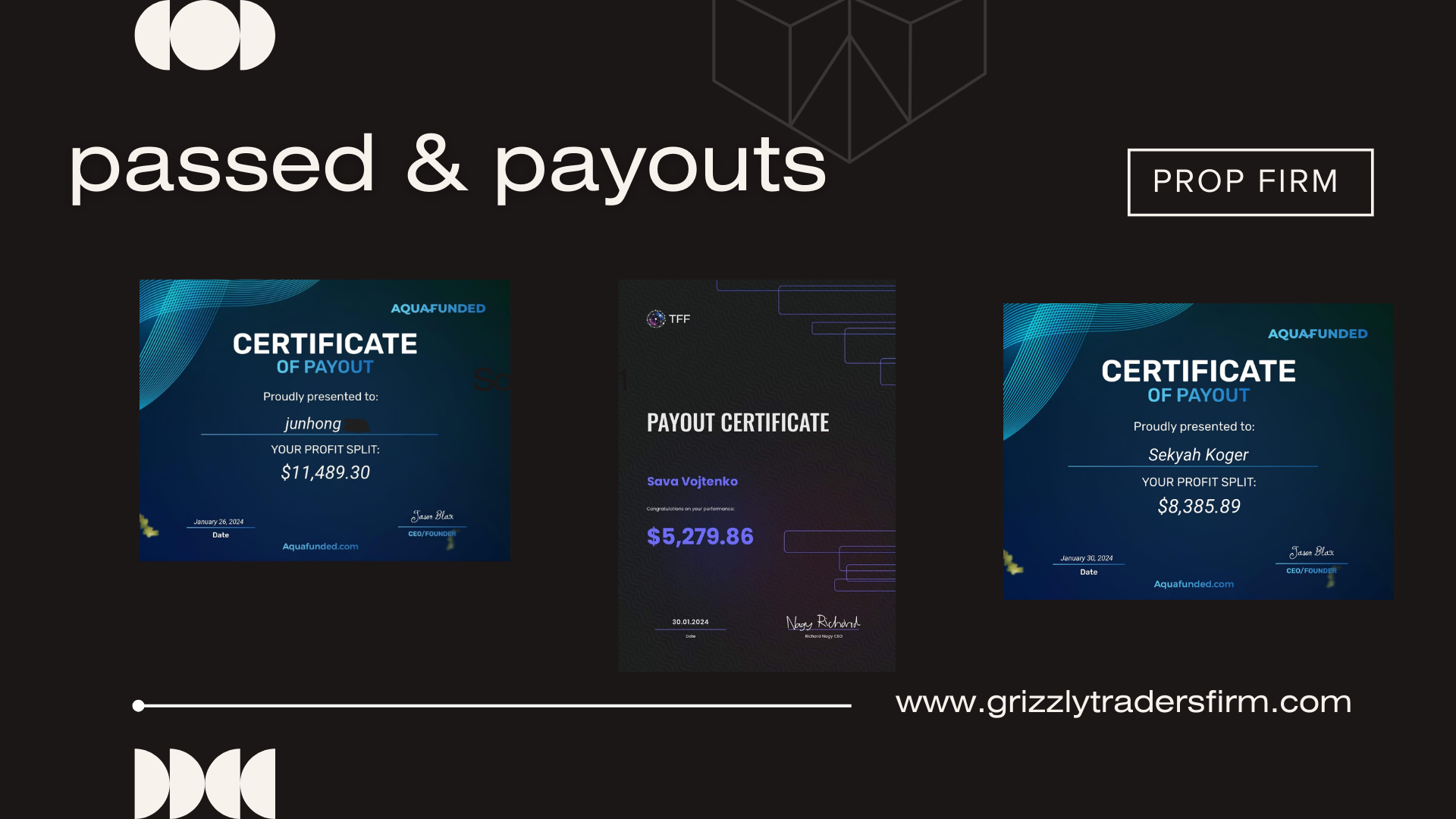
The casualties? Traders who had been sizing up aggressively during gold's run-up. Several prop accounts got blown due to position sizes that looked conservative at $4,100 but became deadly when gold gapped down at the open.
The lesson was clear: prop firm rules exist for exactly these moments. Maximum drawdown limits and daily loss restrictions that feel restrictive during trending markets become lifesavers during violent reversals.
The Dollar Factor Nobody Mentioned
While everyone focused on gold's technical breakdown, the subtle strengthening of the U.S. dollar index provided the real catalyst. According to market data from Investing.com, the DXY gained ground as European and Asian currencies weakened, creating natural headwinds for dollar-denominated commodities.
This currency dynamic explains why silver's decline was more severe than gold's. Silver, being more industrial in nature, suffers doubly from both currency strength and economic growth concerns.
Algorithmic Trading: The Silent Advantage
The October 21st move highlighted why algorithmic trading continues gaining market share. While retail traders panicked, well-coded systems executed their predetermined strategies without emotion or hesitation.

EAs equipped with proper volatility expansion algorithms actually increased their profit potential during the chaos. They recognized that increased volatility meant larger potential profits per trade, provided risk management stayed tight.
The key insight? Human psychology becomes a liability during extreme market moves. Fear and greed override logical decision-making, while algorithms stick to their tested parameters regardless of market sentiment.
Survival Strategies for Future Volatility Events
Here's what successful traders implemented during the gold crash: and what you should prepare for next time:
Position Sizing Discipline: Never risk more than 1% of your account on any single trade, regardless of how "obvious" the setup looks. The traders who survived October 21st were those who could absorb multiple losses without significant account damage.
Volatility-Adjusted Stop Losses: Static stop losses get destroyed during volatile periods. Use ATR-based stops that expand with market volatility, giving your trades room to breathe while still protecting capital.
Multiple Timeframe Confirmation: The best EA setups require alignment across multiple timeframes. Single-timeframe signals become unreliable during high-volatility periods like we saw in gold.
News Event Filters: Smart algorithms shut down during high-impact news releases. October 21st demonstrated why: even predictable technical setups can fail when fundamental catalysts emerge.
The FXShop24 Advantage During Market Chaos
Professional EAs from platforms like FXShop24 showed their worth during the gold volatility. Systems like the Golden Pickaxe EA and Fort Knox robots maintained discipline while manual traders capitulated.

The difference lies in systematic backtesting across various market conditions. Retail traders test their strategies during calm markets, but professional-grade EAs undergo stress testing that includes scenarios like October 21st's volatility.
These systems don't just survive market chaos: they're designed to profit from it. Properly coded volatility expansion algorithms turn market fear into trading opportunities.
What This Means for Q4 2025 Trading
The October 21st gold move wasn't an isolated event: it was a warning shot. As we head deeper into Q4 2025, expect more violent moves as algorithms compete for liquidity and retail sentiment swings between extremes.
Smart traders are already adapting. They're reducing position sizes, implementing tighter risk management, and relying more heavily on algorithmic systems that remove emotion from the equation.
The gold crash taught us that technical overbought conditions matter, even in the strongest bull markets. RSI levels above 80 demand respect, regardless of fundamental narratives.
Most importantly, it reinforced why professional trading tools and systematic approaches outperform emotional decision-making during critical market moments. The traders who profited from October 21st weren't lucky: they were prepared.
The next major volatility event is coming. The question isn't if, but when: and whether you'll be ready to profit from it rather than become its victim.