


27
Sep
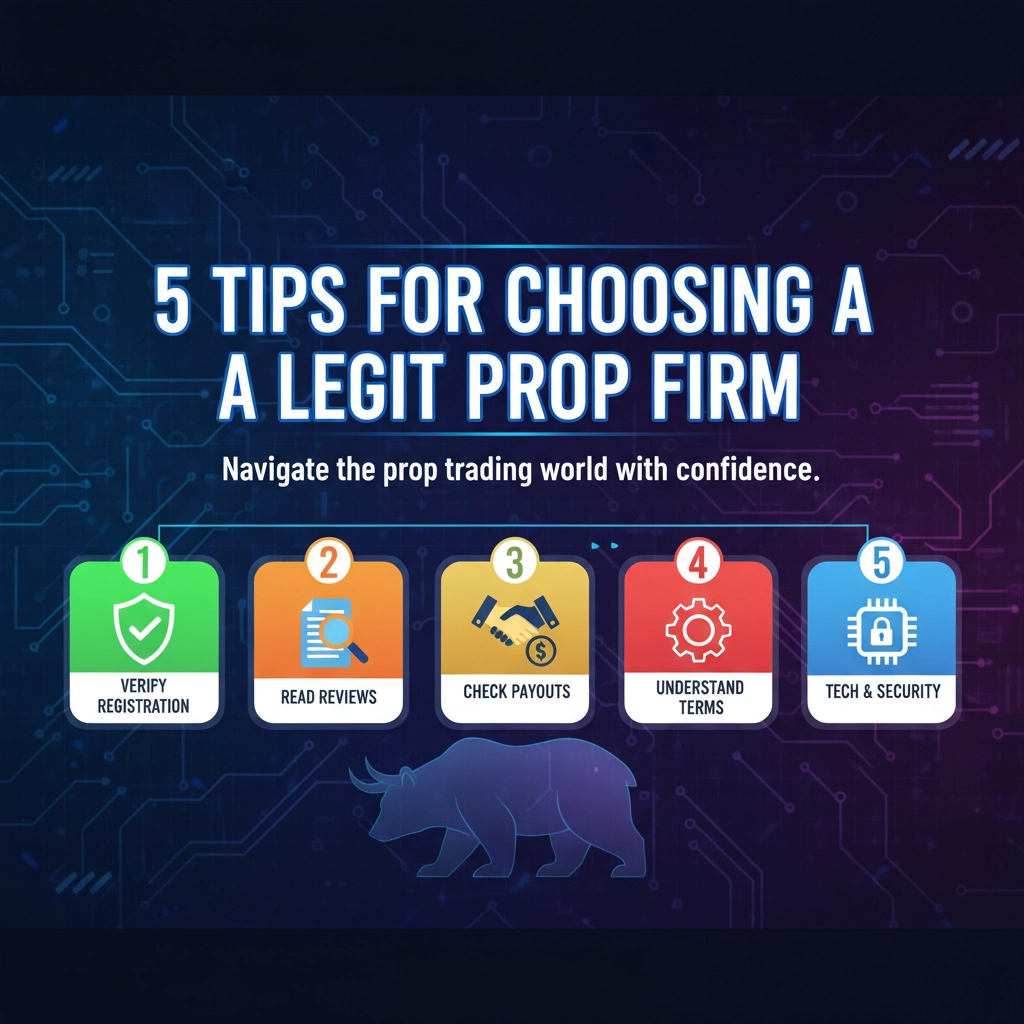
5 Tips for Choosing a Legit Prop Firm
Ever felt like you're playing Russian roulette when choosing a prop firm? You're not alone. With hundreds of proprietary trading firms promising easy money and funded accounts, separating the legitimate players from the cash-grab schemes has become a trader's nightmare. The harsh reality? Many firms are more interested in your challenge fees than your trading success.
The prop trading industry has exploded in recent years, offering traders access to substantial capital without risking their own money. But this growth has attracted both genuine opportunities and predatory operators looking to exploit eager traders. The difference between a career-making partnership and a wallet-draining disaster often comes down to knowing what red flags to watch for.
Here are five bulletproof strategies to identify legitimate prop firms that actually want you to succeed: not just collect your evaluation fees.
1. Verify Regulatory Credentials and Company Transparency
The foundation of any legitimate prop firm starts with proper regulation and transparency. Real prop firms operate under strict regulatory oversight from recognized financial authorities like the Financial Conduct Authority (FCA), Australian Securities and Investments Commission (ASIC), or Cyprus Securities and Exchange Commission (CySEC).
Don't just take their word for it: verify everything. Check the firm's regulatory status directly with the authority they claim to be registered under. According to the National Futures Association, regulatory compliance ensures firms follow ethical practices and maintain proper safeguards for trader funds.
Look for these transparency markers:
Company Information: Legitimate firms display clear company registration numbers, physical addresses, and leadership team information. If you can't find basic company details or the leadership team remains anonymous, consider it a major red flag.
Regulatory Documentation: Real firms proudly display their regulatory licenses and provide easy access to compliance documents. They'll also explain exactly how trader funds are segregated and protected.
Contact Information: Professional firms offer multiple communication channels including phone support, live chat, and physical office locations. If you can only reach them through a generic contact form, be cautious.
The absence of regulatory oversight doesn't automatically disqualify a firm, but it significantly increases your risk. Unregulated firms operating from offshore jurisdictions offer minimal legal recourse if problems arise with payouts or account management.
2. Scrutinize Terms, Conditions, and Trading Rules
Legitimate prop firms establish clear, reasonable rules designed for trader success: not failure. The evaluation process should test your trading skills, not create impossible hurdles that guarantee you'll lose your challenge fee.
Evaluation Parameters: Examine profit targets, maximum drawdown limits, and time constraints. Industry standards typically allow 8-12% profit targets with 4-6% daily drawdown limits and 10-12% maximum drawdown over 30 days. If targets seem unrealistic or time frames impossibly short, you're likely looking at a challenge designed to fail.
Trading Restrictions: Quality firms allow various trading strategies including scalping, news trading, and overnight positions. Excessive restrictions on trading hours, prohibited news events, or banned currency pairs often signal a firm more concerned with limiting payouts than supporting diverse trading approaches.
Scaling and Growth Path: Professional firms outline clear advancement opportunities, increased funding levels, and improved profit splits for consistent performers. The best firms want long-term relationships with profitable traders, not one-time challenge payments.

Hidden Clauses: Read the fine print carefully. Some firms include obscure clauses about "consistency rules," minimum trading days, or complex profit distribution calculations that can void payouts even after successful challenges.
For traders using automated strategies, ensure the firm accepts expert advisors and algorithmic trading. Many successful prop traders rely on prop firm EA setups to maintain consistency and manage multiple accounts effectively.
3. Analyze Profit Splits and Fee Structures
The economics of prop trading should favor skilled traders, not just the firm. Reputable companies typically offer 70-90% profit splits to traders, with the higher percentages reserved for experienced traders or larger account sizes.
Standard Profit Splits: Most legitimate firms start new traders at 70-80% profit sharing, scaling up to 90% for consistent performers. Be wary of firms offering unusually low splits (below 70%) or those requiring significant monthly fees regardless of trading activity.
Fee Transparency: Quality firms clearly outline all costs upfront including challenge fees, monthly fees, platform costs, and withdrawal charges. Hidden fees or complex fee structures often indicate predatory practices.
Challenge Costs vs. Account Size: The evaluation fee should be proportional to the funded account size. For example, a $10,000 funded account might reasonably cost $100-200 to challenge, while a $100,000 account could cost $500-800. Extremely high challenge fees relative to account size suggest the firm profits primarily from failed challenges rather than trader success.
Refundable Options: Many legitimate firms offer refundable challenge fees upon reaching certain milestones or maintaining profitability for specified periods. This alignment of interests demonstrates confidence in their evaluation process and trader success rates.
4. Research Reputation and Payout Reliability
A firm's reputation in the trading community often tells the complete story behind marketing claims. Successful prop trading relationships depend on reliable, timely payouts: the ultimate test of legitimacy.
Community Feedback: Search trading forums, Discord servers, and social media groups for authentic trader experiences. Look for detailed payout screenshots, withdrawal timeframes, and any reported issues with customer service. Be skeptical of overwhelmingly positive reviews that lack specific details about actual trading experiences.
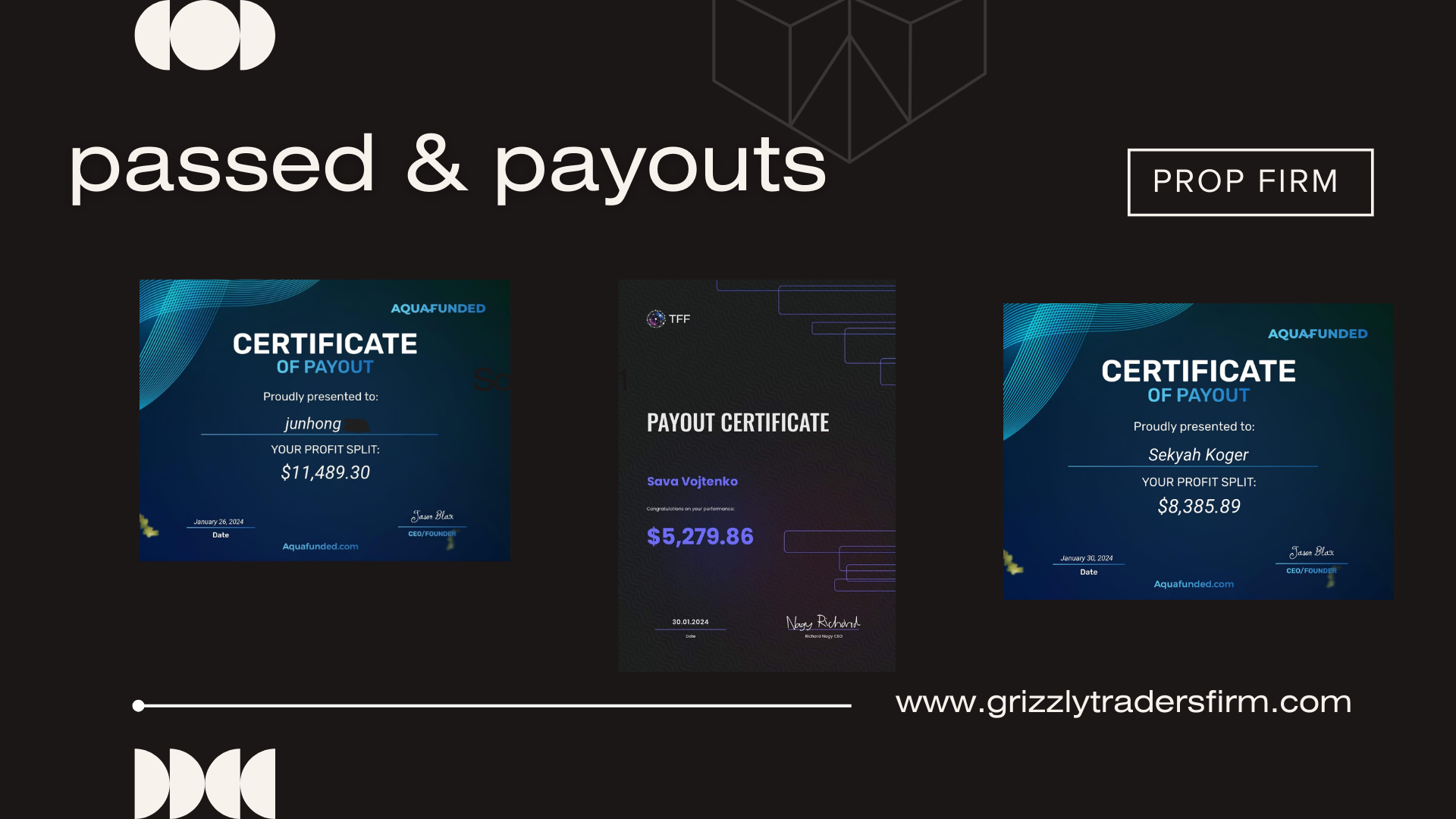
Payout Evidence: Legitimate firms often showcase trader success stories with verifiable payout certificates and performance statistics. However, verify these aren't just marketing materials: look for consistency in reported payout amounts and trader testimonials across multiple platforms.
Response to Problems: How a firm handles disputes, technical issues, or trader complaints reveals their true character. Professional firms maintain transparent communication and fair resolution processes, while problematic firms often become unresponsive or defensive when challenged.
Withdrawal Processes: Understand exactly how payouts work including minimum withdrawal amounts, processing timeframes, supported payment methods, and any additional verification requirements. Legitimate firms process withdrawals within 1-7 business days and maintain clear communication throughout.

Research the firm's history and longevity in the industry. Established firms with multi-year track records generally pose lower risks than brand-new operations with limited proven performance.
5. Evaluate Support Quality and Educational Resources
Professional prop firms invest in trader success through comprehensive support systems and educational resources. They understand that profitable traders generate long-term revenue, making trader development a strategic priority.
Customer Support: Test the firm's responsiveness before committing money. Send pre-sales questions about rules, platform requirements, or payout processes. Quality firms respond promptly with detailed, helpful information rather than generic sales pitches.
Educational Content: Look for firms offering trading education, market analysis, webinars, or mentorship programs. While not essential, these resources indicate a firm's commitment to trader development beyond just collecting challenge fees.
Technical Support: Trading platforms occasionally experience technical issues that could impact your evaluation or live trading. Ensure the firm provides adequate technical support and has policies addressing platform-related losses or missed opportunities.
Community Building: Many successful prop firms foster trader communities through Discord servers, forums, or regular events. These communities provide valuable networking opportunities and peer support that enhance your trading development.
For traders interested in automated strategies, evaluate whether the firm provides guidance on forex trading EAs and algorithmic trading best practices. Forward-thinking firms recognize that systematic trading approaches often produce more consistent results than discretionary trading alone.
Taking Action: Your Next Steps
Choosing the right prop firm requires methodical evaluation rather than impulsive decisions based on marketing promises. Create a comparison spreadsheet tracking regulatory status, fee structures, rules, and community feedback for each firm you're considering.
Start with smaller challenges to test the firm's systems, support quality, and payout reliability before committing to larger funded accounts. This approach minimizes risk while providing authentic insight into the firm's operations.
Remember that the best prop firm for you depends on your trading style, experience level, and risk tolerance. A firm perfect for scalping strategies might poorly suit swing trading approaches, while firms focused on forex might not support your preferred commodity trading methods.
The prop trading industry continues evolving, with new firms launching regularly and established players updating their offerings. Stay informed about industry developments and maintain realistic expectations about the challenges and opportunities ahead.
Focus on firms that demonstrate genuine interest in your long-term success rather than just your initial challenge payment. The right partnership can accelerate your trading career, but the wrong choice wastes time and money while potentially damaging your confidence.
Take time to thoroughly evaluate each opportunity. Your trading career deserves better than a rushed decision based on flashy marketing or unrealistic profit promises.