


18
Sep
7 Mistakes You're Making with AI Trading Bots in 2025 (and How to Fix Them)
Ever watched your "perfect" AI trading bot obliterate your account in real-time? You're not alone. The promise of automated profits has lured thousands of traders into costly mistakes that could have been easily avoided.
AI trading bots have evolved dramatically in 2025, but the fundamental errors traders make remain surprisingly consistent. These aren't just beginner blunders: even experienced traders fall into these traps when transitioning to AI-powered systems.
Mistake #1: Over-Optimizing Your AI Bot Settings
The biggest trap? Spending weeks perfecting your bot's parameters on historical data until it shows jaw-dropping backtesting results. This is called curve fitting, and it's the fastest way to create a bot that performs brilliantly in the past but fails spectacularly in live markets.
Over-optimization happens when you tweak every possible setting: entry thresholds, exit conditions, indicator parameters: until your bot shows unrealistic historical performance. The result? A system so tailored to past price action that it can't adapt to new market conditions.
The Fix: Use out-of-sample testing. Reserve 30% of your historical data for validation testing that your bot never sees during optimization. If your bot can't perform well on this "unseen" data, it's over-fitted. Stick to simple, robust parameters and resist the urge to endlessly fine-tune.

Mistake #2: Deploying Without Proper Risk Controls
Too many traders treat AI bots like set-and-forget money machines, deploying them with minimal risk management. They'll risk 10-20% per trade because "the AI knows what it's doing," then watch their accounts evaporate during unexpected volatility spikes.
AI systems can identify patterns and execute trades faster than humans, but they can't predict black swan events or sudden regime changes. Without proper position sizing and drawdown limits, even sophisticated AI can destroy your capital.
The Fix: Implement strict risk parameters before deployment. Never risk more than 2% of your account per trade, regardless of the AI's confidence level. Set maximum daily drawdown limits at 5% and monthly limits at 15%. Use dynamic position sizing that reduces trade sizes after consecutive losses.
Mistake #3: Ignoring Market Regime Changes
Market conditions shift constantly: trending markets become choppy, volatile periods turn calm, correlations break down. Many traders deploy AI bots trained on specific market conditions and expect them to perform equally well in completely different environments.
A bot trained during trending conditions will likely struggle in ranging markets. Similarly, systems optimized for high-volatility periods often underperform during calm market phases. The AI doesn't automatically adapt to these fundamental shifts.
The Fix: Use regime-aware trading strategies. Monitor key market indicators like VIX levels, average daily ranges, and correlation coefficients. Switch between different bot configurations based on current market conditions, or use AI systems specifically designed to detect and adapt to regime changes automatically.

Mistake #4: Conducting Inadequate Backtesting
Quick backtests on unrealistic conditions create false confidence. Many traders run 6-month backtests during favorable market conditions and assume their AI bot will perform similarly forever. They ignore transaction costs, slippage, and overnight gaps that significantly impact real-world performance.
Insufficient backtesting data leads to bots that fail when market conditions change. A bot tested only during bull markets will likely struggle during bearish periods or high-volatility events.
The Fix: Conduct comprehensive backtesting across multiple market cycles: at least 3-5 years of data including various market conditions. Include realistic transaction costs (0.1-0.3 pips spread), overnight swap fees, and slippage assumptions. Test your bot across different currency pairs and timeframes to verify robustness.
Mistake #5: Failing to Adapt for Prop Firm Rules
Prop firm challenges have specific rules that can trigger violations even with profitable AI bots. Many traders use standard retail-focused bots that don't account for daily loss limits, consistency rules, or prohibited news trading restrictions common in funded trader programs.
Standard AI bots might generate excellent returns while violating prop firm guidelines on maximum daily losses, trading during high-impact news, or showing inconsistent daily results that raise red flags with risk managers.
The Fix: Configure your AI bots specifically for prop firm compliance. Set daily loss limits below prop firm thresholds (typically 3-5%). Program news filters to avoid trading 30 minutes before and after high-impact economic releases. Implement consistency checks to ensure daily results fall within acceptable ranges for your chosen prop firm.
At FXShop24, our EAs like the PerceptrAder AI V2.23 are specifically designed with prop firm compliance built-in, automatically handling these critical requirements.
Mistake #6: Underestimating Technical Infrastructure Requirements
AI trading bots require stable, fast connections and reliable hardware. Many traders run sophisticated AI systems on basic home computers with unstable internet connections, then wonder why their bots miss profitable opportunities or execute trades at poor prices.
Latency issues, connection drops, and insufficient processing power can cause AI bots to malfunction at critical moments. Cloud-based solutions add another layer of complexity that many traders aren't prepared to handle properly.
The Fix: Invest in proper infrastructure. Use VPS (Virtual Private Server) hosting with low-latency connections to your broker's servers. Ensure your VPS has sufficient RAM and processing power for your AI system's requirements. Implement backup internet connections and monitoring systems to detect and respond to technical issues quickly.
Mistake #7: Neglecting Ongoing Performance Monitoring
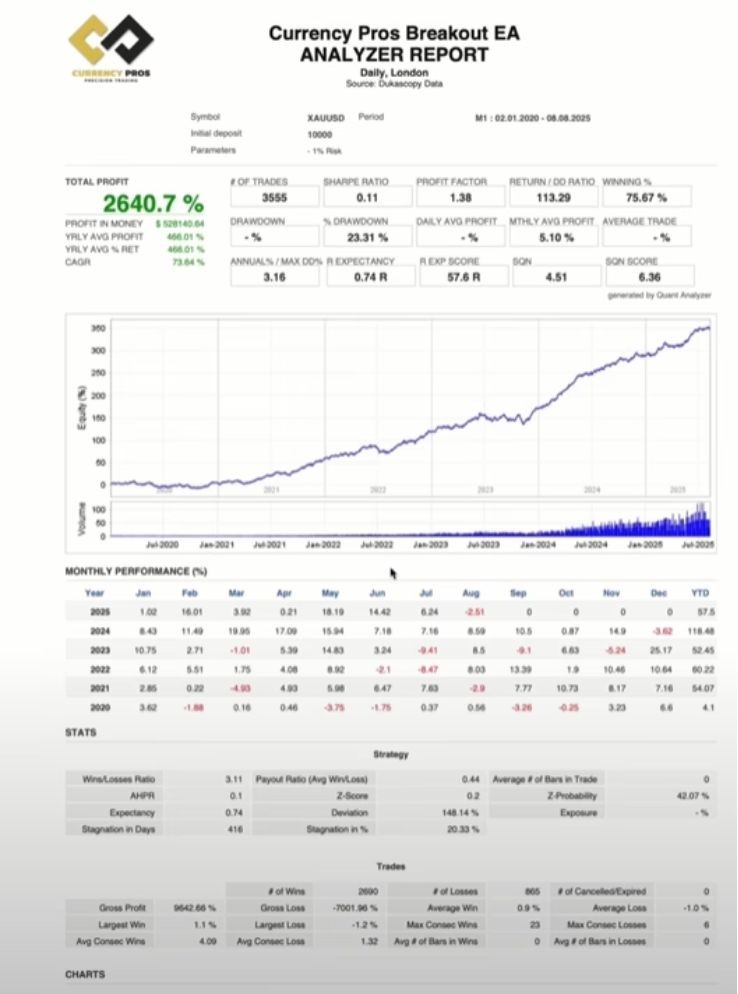
The "set it and forget it" mentality kills more AI trading accounts than any other mistake. Traders deploy their bots and check results weekly or monthly, missing critical warning signs of degrading performance or changing market conditions that require immediate attention.
AI systems can develop data bias, encounter scenarios they weren't trained for, or simply stop working effectively as market microstructure evolves. Without active monitoring, you won't notice these issues until significant damage is done.
The Fix: Implement systematic performance monitoring. Check your AI bot's performance daily, focusing on key metrics like win rate, average trade duration, and drawdown levels. Set alerts for unusual behavior: consecutive losses beyond normal parameters, sudden changes in trade frequency, or performance that deviates significantly from backtested expectations.
Create weekly performance reports comparing current results to historical benchmarks. If your bot underperforms its backtested results by more than 20% over any two-week period, pause trading and investigate the cause.
Building Your AI Trading Success Framework
Success with AI trading bots in 2025 requires treating them as sophisticated tools that amplify your trading strategy, not replace your market knowledge. The most profitable traders combine AI efficiency with human oversight, using automation to execute their proven strategies while maintaining active risk management.
Start with one well-tested AI bot on a demo account. Master its behavior across different market conditions before adding complexity or real capital. Focus on consistency over spectacular returns: a bot that generates steady 5% monthly returns with minimal drawdowns will outperform flashier systems that experience periodic account-killing losses.
Remember, the goal isn't to find the perfect AI bot: it's to build a systematic approach that gives you an edge while protecting your capital. Master these fundamentals, avoid these common mistakes, and you'll be positioned to profit from AI trading throughout 2025 and beyond.